
Why quiet matters for athletes just as much as training
When we think about athletes, we usually picture movement first. Kilometres, steps, speed, intervals, heart rate. That makes sense, because sport is built on movement. But strong performance is not shaped by training alone. It also depends on the ability to switch off, recover properly and simply be still for a while. A quiet environment is not an extra luxury for athletes. It is part of the foundation since it supports better recovery, sharper focus and deeper sleep. All of which directly affects how the body performs.
A quiet environment is not an extra luxury for athletes. It is part of the foundation since it supports better recovery, sharper focus and deeper sleep. All of which directly affects how the body performs.
Good recovery starts with good sleep
Sleep is one of the most important parts of athletic recovery and quiet plays a major role in protecting it. The World Health Organization recommends keeping bedroom noise levels below 30 dB(A) to support healthy sleep. There is a simple reason for that: noise is closely linked to sleep disruption and a range of other health concerns.
An athlete may spend enough hours in bed, but if sleep is light, broken, or restless, recovery stays incomplete. The body needs real rest, not just time spent lying still. When the surrounding environment keeps the nervous system slightly alert through the night, the whole recovery process becomes more shallow than it should be.
Athletes feel the effect of their environment too
This is not just some theoretical talk – athletes themselves often say the same thing. In one study on elite athletes and sleep, around half of the participants said their sleep was affected most by the environment around them. Noise, temperature, light and even the quality of the bed or mattress all played a role.
That sure does say a lot. These are people whose daily lives are usually structured, disciplined, and built around routine. If environmental factors still disturb their sleep, then recovery clearly depends on more than willpower and discipline. It also depends on having the right conditions around you.
Silent eviroment supports mental recovery as well
Athletes do not get tired from training alone; a lot has to do with mental load being built up. Screens, background noise, constant input, messages, conversations, and the low-level chaos that clings to the day all take their toll.
Research on mental fatigue shows that this kind of overload can reduce endurance, increase the feeling of effort and even affect decision-making. The body may be physically ready, but the mind is no longer working with the same clarity. A quiet environment helps lower that burden and gives the brain finally a chance to recover.
Nature helps the nervous system settle
This is why the effect of nature is not just a nice idea or a romantic add-on. Studies on attention restoration have shown that natural environments can help restore focus and reduce mental fatigue. Even when a full walk in the forest is not possible, natural sounds alone can help the body calm down faster.
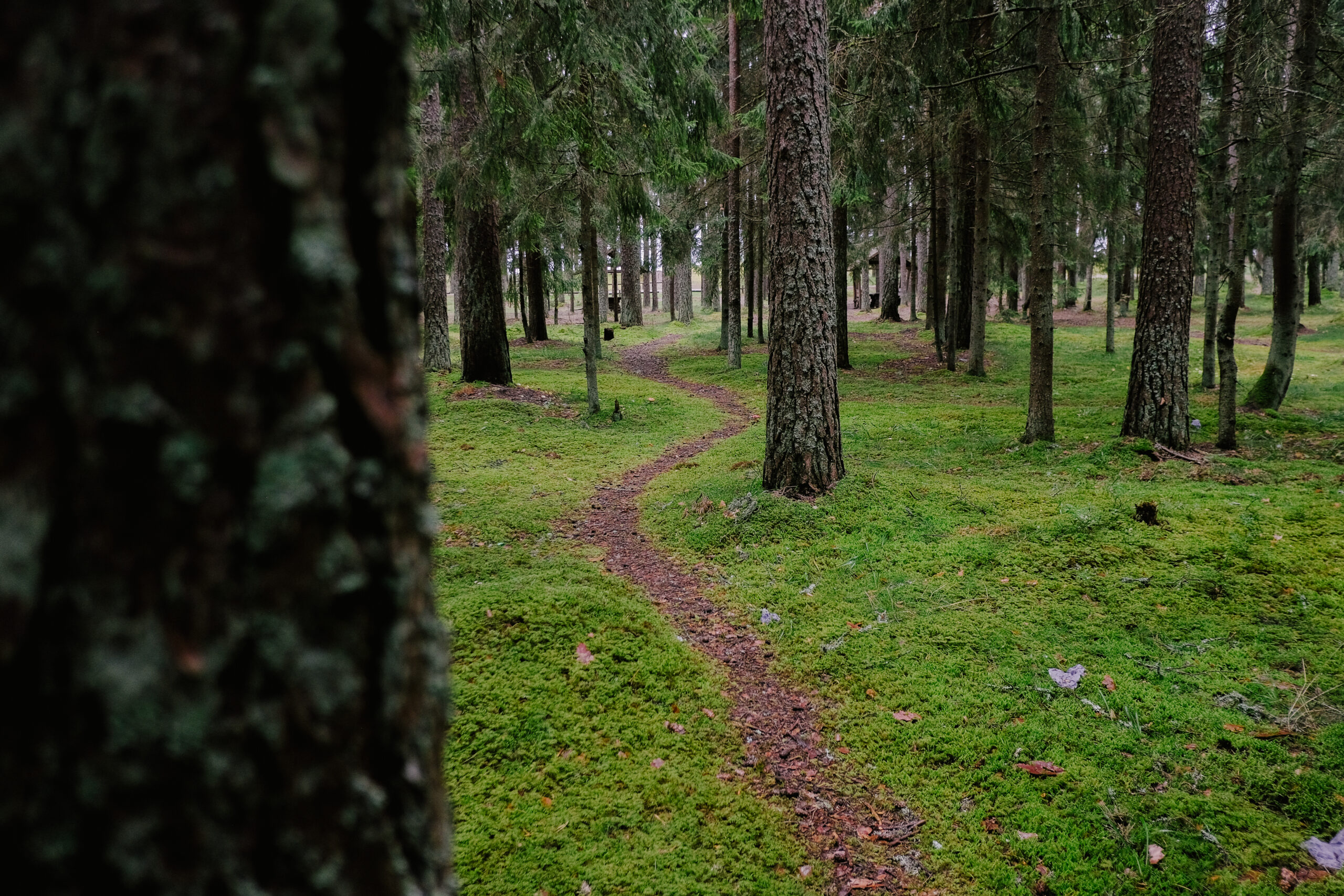
For an athlete, a peaceful walk through the pine forests of Alutaguse or the bog landscapes of Ida-Virumaa is not just a pleasant extra. It is a setting that helps the nervous system slow down and return to a calmer state.
Training alone is not enough
A well-built training plan matters, of course. But if the rest of the day is filled with noise, rushing and constant stimulation, recovery never quite catches up. Quiet helps the body step out of that constant state of readiness. It supports deeper sleep, lowers mental strain, and creates better conditions for the next training session.
In that sense, silence does something very valuable for athletes. It helps both body and mind prepare for the next level of effort.
Athletes need spaces that do not drain them
A good track, gym, or training hall matters, but equally important is the environment that surrounds the recovery process. Athletes also need places and moments that do not demand anything from them. Places without city noise, television in the background, or someone else’s pace setting the tone. Sometimes they simply need nature, which asks for nothing and still helps the system settle.
That is exactly the kind of quiet Kurro Nature Spa offers. Set between the forests of Alutaguse and the northern shore of Lake Peipus, it is not designed as just another spa break. It is made for real recovery. When everyday life is loud and demanding, Kurro is a place where the mind can slow down, sleep can deepen and the body can finally begin to recover properly.
Rooms that open into the calm of the pine forest, thoughtfully designed spa treatments, saunas and quiet relaxation areas all support the same goal. Recovery stops being an abstract idea and becomes something you can actually feel.